
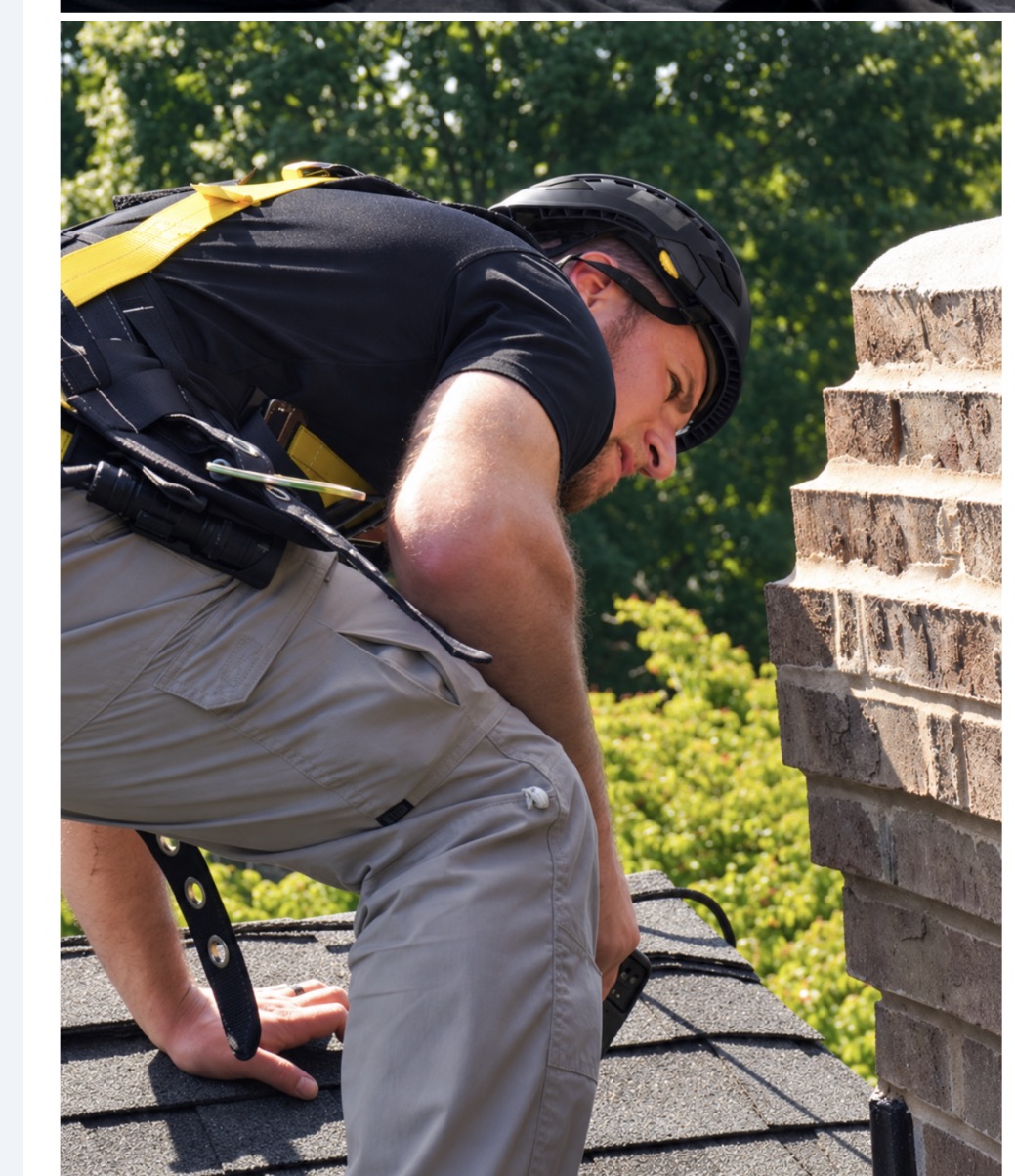
Chimney Liner Installation
Properly sized and installed liner — the most important part of a safe, working chimney system.
Chimney Liner Installation in Montgomery County, MD
A chimney liner is the barrier between the combustion gases traveling up your flue and the surrounding masonry and framing of your home. Without a sound liner, carbon monoxide, heat, and sparks can pass through cracks in the chimney wall and reach combustible materials. If you're installing a new wood stove, gas appliance, oil furnace, or pellet stove — or if your existing liner is cracked, deteriorated, or the wrong size — liner installation or replacement is not optional.
Schedule ServiceWhat you get
- Stainless steel liner installation for all appliance types
- Correct sizing for your specific appliance and flue dimensions
- Flexible and rigid liner options depending on configuration
- Insulation installed when required
- Code-compliant installation with documentation
- Owner Zach on every installation
More about chimney liner installation
When do you need a new chimney liner?
When installing a new appliance — especially a wood stove, pellet stove, or gas insert — the liner must be sized and rated for that specific appliance. When camera inspection reveals cracks, gaps, or deterioration in the existing liner. When an older home's clay tile liner has failed due to age, water damage, or a chimney fire. When switching fuel types (e.g., from oil to gas), which often requires a different liner diameter.
Flexible vs. rigid stainless steel liner
Flexible stainless steel liners are used in most relining jobs because they can navigate offsets and bends in existing chimneys. Rigid liner sections are used in straight-shot applications. We assess your flue configuration and recommend the right system for your chimney's specific geometry and your appliance's requirements.
Does liner installation include the appliance connection?
Yes. We handle the full liner installation from the appliance connection at the bottom to the cap at the top — including sizing the liner, running it through the flue, connecting it to the appliance, and installing the appropriate termination cap. We test the system before we leave.
Common Questions
What size liner do I need for my wood stove?
Liner sizing depends on the stove's BTU output and flue height. The stove manufacturer specifies the minimum liner diameter, and we verify that it's appropriate for your chimney dimensions. We'll size it correctly — an undersized liner causes smoke problems, an oversized one causes poor draft.
How long does chimney liner installation take?
Most liner installations take 4–8 hours depending on chimney height, configuration, and whether the appliance connection requires additional work. We'll give you a time estimate during the quote.
Can you reline a chimney for a gas furnace or water heater?
Yes. Gas appliances require a correctly sized liner — typically smaller than a wood-burning liner — and aluminum or stainless depending on the fuel and appliance type. We handle liner installs for gas furnaces, water heaters, gas fireplaces, and inserts.
Is a chimney liner required by code?
In most jurisdictions, yes — especially when installing a new appliance or when the existing liner is damaged. We install to current local code requirements and can provide documentation.
Owner on Every Job
Zach shows up himself — not a subcontractor you've never met. Direct answers, honest assessments, work you can count on.
Written Estimates Upfront
No vague quotes that change mid-job. We give you the full price in writing before any work starts.
No Manufactured Urgency
If your chimney is in good shape, we say so. We're not in the business of finding problems that aren't there.
Related Services
Chimney Inspection
Level 1 and Level 2 inspections with camera video — you see exactly what we see.
Learn moreChimney Cleaning & Sweeping
Annual chimney cleaning — the most important thing you can do for fireplace safety.
Learn moreChimney Rebuilds & Repairs
Tuckpointing, crown repair, spalling brick — masonry problems don't fix themselves.
Learn moreGet a Free Estimate
Tell us what you need and we'll get back to you quickly — usually same day. No pressure, no obligation.
Prefer to email directly?
[email protected]